
Dental Implants in Vizag – The Complete Guide to Restoring Your Smile Permanently
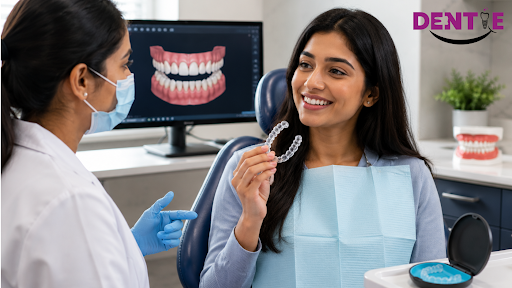
Dental Aligners in Vizag
Introduction
A confident smile can leave a lasting impression, but not everyone is born with perfectly aligned teeth. Crooked teeth, gaps, overcrowding, and bite problems can affect both appearance and oral health. Fortunately, modern orthodontic treatments have made it possible to achieve a straighter smile comfortably and discreetly through Dental Aligners in Vizag.
Unlike traditional metal braces, dental aligners are clear, removable, and custom-made to fit your teeth. They gradually move your teeth into their ideal positions without the use of brackets or wires, making them a preferred choice for teenagers and adults who want an effective yet nearly invisible orthodontic solution.
Beyond improving appearance, properly aligned teeth contribute to better oral hygiene, healthier gums, improved chewing function, and clearer speech. Teeth that are correctly positioned are easier to clean, reducing the risk of plaque buildup, cavities, and gum disease. This makes orthodontic treatment an investment in both aesthetics and long-term oral health.
At Dentie, every patient receives a personalized orthodontic assessment to determine whether clear aligners are the right solution for their smile. Using advanced digital technology, detailed treatment planning, and customized aligners, the dental team helps patients achieve predictable results while ensuring maximum comfort throughout the treatment journey.
This comprehensive guide explains everything you need to know about Dental Aligners in Vizag, including how they work, who can benefit from them, the treatment process, advantages over traditional braces, cost factors, maintenance tips, and frequently asked questions. Whether you are considering orthodontic treatment for yourself or a family member, this article will help you make an informed decision.
What Are Dental Aligners?
Dental aligners are transparent, removable orthodontic appliances designed to gradually move teeth into proper alignment. Each set of aligners is custom-fabricated based on digital impressions of your teeth and is worn for a specific period before progressing to the next set in the series.
Unlike conventional braces that rely on metal brackets and wires, aligners apply controlled and gentle pressure to reposition teeth over time. Because they are made from smooth, medical-grade transparent material, they are comfortable to wear and significantly less noticeable during daily activities.
Patients choosing Dental Aligners in Vizag often appreciate the flexibility aligners provide. Since they can be removed while eating, drinking, brushing, and flossing, maintaining good oral hygiene is much easier compared to fixed orthodontic appliances.
At Dentie, digital scanning technology replaces traditional impression materials, providing greater comfort and exceptional accuracy during treatment planning. Every aligner is carefully designed to fit comfortably while delivering precise tooth movements according to the individualized treatment plan.
How Are Dental Aligners Different from Braces?
Although both aligners and braces are designed to straighten teeth, they differ in several important ways.
Traditional braces use metal brackets attached to the teeth and connected by wires that are periodically adjusted by the orthodontist. Dental aligners, on the other hand, use a sequence of clear removable trays that gradually reposition teeth without brackets or wires.
Some important differences include:
Appearance
Aligners are virtually invisible, making them an excellent choice for individuals who prefer a discreet orthodontic treatment.
Comfort
The smooth plastic material reduces irritation to the cheeks and gums compared to metal brackets.
Oral Hygiene
Because aligners are removable, patients can brush and floss normally without navigating around wires or brackets.
Diet
Unlike braces, aligners can be removed while eating, allowing patients to continue enjoying their favorite foods without major restrictions.
Convenience
Fewer in-office adjustments are typically required, although regular follow-up appointments remain essential to monitor progress.
Components of a Clear Aligner Treatment
Successful aligner therapy involves several carefully planned components that work together to achieve predictable tooth movement.
Digital Smile Assessment
The treatment begins with a detailed evaluation of the patient's teeth, gums, bite, and jaw alignment using advanced diagnostic tools.
Digital scans and photographs help create an accurate virtual model of the patient's smile.
Customized Treatment Planning
Specialized orthodontic software is used to simulate the gradual movement of teeth throughout the treatment.
This allows both the dentist and patient to visualize the expected outcome before treatment begins.
Custom-Made Aligners
Each aligner is manufactured according to the treatment plan and designed to move specific teeth in small, controlled increments.
Patients typically wear each aligner for one to two weeks before progressing to the next set.
Regular Progress Monitoring
Routine appointments allow the dentist to evaluate tooth movement, ensure treatment is progressing as planned, and make adjustments if necessary.
Common Orthodontic Problems That Aligners Can Correct
Modern clear aligners are capable of treating many mild to moderately complex orthodontic conditions.
These include:
Crowded Teeth
Crowding occurs when there is insufficient space in the jaw for all teeth to align properly.
Aligners gradually create proper spacing and improve alignment.
Gaps Between Teeth
Spaces between teeth can affect appearance and sometimes oral function.
Aligners gently close these gaps to create a more balanced smile.
Overbite
An excessive overlap of the upper front teeth over the lower front teeth may contribute to uneven tooth wear and jaw discomfort.
Aligners can help improve bite alignment in appropriate cases.
Underbite
An underbite occurs when the lower teeth extend beyond the upper teeth.
Depending on severity, aligners may be used as part of the correction process.
Crossbite
Crossbite can affect one or multiple teeth and may contribute to uneven wear or gum recession if left untreated.
Early orthodontic treatment helps prevent long-term complications.
Open Bite
Patients with an open bite experience difficulty bringing the upper and lower front teeth together during biting.
Appropriately planned aligner treatment can improve bite function in suitable cases.
Why More People Are Choosing Clear Aligners
The popularity of clear aligners has increased significantly because they combine effectiveness with convenience and aesthetics.
Patients appreciate that aligners:
Are almost invisible.
Can be removed during meals.
Allow normal brushing and flossing.
Cause minimal irritation.
Require fewer emergency visits compared to braces.
Fit comfortably over the teeth.
Support better confidence during treatment.
For many adults and teenagers, these advantages make aligners an attractive alternative to traditional orthodontic appliances.
Importance of Early Orthodontic Evaluation
Many orthodontic problems develop gradually and become more complex if left untreated.
Early evaluation helps identify:
Bite irregularities
Crowding
Jaw development issues
Tooth eruption problems
Spacing concerns
Addressing orthodontic issues at the appropriate time often simplifies treatment and improves long-term oral health outcomes.
At Dentie, patients receive comprehensive orthodontic evaluations that focus on both functional improvement and smile aesthetics, ensuring that treatment recommendations are personalized to individual needs.
How Do Dental Aligners Work?
Dental aligners use a series of custom-made, transparent trays that gradually move your teeth into their ideal positions. Each aligner is designed using advanced digital technology and applies gentle, controlled pressure to specific teeth. Instead of moving all the teeth at once, every aligner makes small, carefully planned adjustments that eventually result in a straighter smile.
Patients choosing Dental Aligners in Vizag often appreciate that the treatment is comfortable, discreet, and customized according to their individual dental condition.
At Dentie, treatment begins with a comprehensive evaluation using advanced digital scanning technology. These scans allow the dental team to create a precise digital model of your teeth, ensuring every aligner fits perfectly and delivers predictable tooth movement.
Step-by-Step Dental Aligner Treatment Process
Understanding each stage of treatment helps patients feel more confident before beginning their orthodontic journey.
Step 1: Initial Consultation
The process starts with a detailed dental examination.
During this appointment, the dentist will evaluate:
Teeth alignment
Bite relationship
Gum health
Jaw development
Existing dental restorations
Overall oral health
This assessment helps determine whether clear aligners are the most suitable treatment option.
Step 2: Digital Scanning and Smile Analysis
Instead of traditional dental impressions, advanced intraoral scanners capture thousands of images of your teeth to create a highly accurate three-dimensional model.
This technology offers several advantages:
Greater patient comfort
Improved treatment accuracy
Faster planning
Better visualization of the final results
Patients can often preview how their smile is expected to look after treatment.
Step 3: Customized Treatment Planning
Using specialized orthodontic software, the dentist plans every stage of tooth movement.
The treatment plan includes:
Number of aligners required
Estimated treatment duration
Sequence of tooth movement
Expected final smile
Because every smile is unique, treatment plans are fully personalized.
Step 4: Fabrication of Custom Aligners
Once the treatment plan is approved, a series of custom-made aligners is manufactured.
Each aligner differs slightly from the previous one and is designed to move specific teeth by a small amount.
The aligners are made from high-quality, transparent, BPA-free material that is comfortable to wear throughout the day.
Step 5: Wearing the Aligners
For the best results, aligners should generally be worn for 20 to 22 hours each day.
They should only be removed for:
Eating
Drinking hot beverages
Brushing
Flossing
Consistent wear is essential for achieving the desired tooth movement within the estimated treatment timeline.
Step 6: Changing to the Next Set
Patients usually switch to a new set of aligners every one to two weeks, depending on the treatment plan.
Each new aligner continues moving the teeth toward their final positions.
Regular review appointments help ensure treatment is progressing as expected.
Types of Dental Aligners
Modern orthodontics offers several types of aligner systems depending on the complexity of the case and treatment objectives.
Clear Plastic Aligners
These are the most common type of aligners and are nearly invisible when worn.
Advantages include:
Excellent aesthetics
Comfortable fit
Easy maintenance
Smooth surface
Minimal irritation
Express Aligners
Patients with very minor alignment issues may qualify for shorter treatment plans using fewer aligners.
Express treatments are generally suitable for:
Small gaps
Mild crowding
Minor relapse after previous orthodontic treatment
Comprehensive Aligner Treatment
Patients with moderate orthodontic concerns often require comprehensive treatment involving multiple sets of aligners over several months.
This approach can address:
Crowding
Spacing
Bite problems
Tooth rotations
Complex alignment issues
Refinement Aligners
Sometimes small adjustments are needed after the initial treatment.
Refinement aligners help perfect the final tooth positions and improve treatment outcomes.
Who Can Benefit from Dental Aligners?
Clear aligners are suitable for many teenagers and adults with mild to moderate orthodontic concerns.
Patients considering Dental Aligners in Vizag often seek treatment for both cosmetic and functional improvements.
Common conditions treated include:
Crowded Teeth
When there is insufficient space for all teeth to align properly, crowding can occur.
Aligners gradually reposition the teeth, improving both appearance and oral hygiene.
Gaps Between Teeth
Spaces between teeth may affect smile aesthetics and sometimes contribute to food trapping.
Aligners gently close these spaces to create a more balanced smile.
Mild to Moderate Bite Problems
Depending on the individual case, aligners may help improve:
Overbite
Underbite
Crossbite
Open bite
A professional evaluation determines whether aligners are appropriate.
Relapse After Braces
Some patients notice their teeth shifting years after completing orthodontic treatment.
Clear aligners can often correct this relapse without requiring traditional braces again.
Benefits of Dental Aligners
One of the reasons clear aligners have become increasingly popular is the wide range of advantages they offer.
At Dentie, patients are educated about both the benefits and responsibilities associated with aligner treatment to help them achieve the best possible outcome.
Nearly Invisible Appearance
The transparent material makes aligners difficult to notice during conversations, photographs, or professional meetings.
This makes them particularly popular among working professionals and college students.
Comfortable to Wear
Unlike metal braces, aligners have smooth edges that minimize irritation to the cheeks, lips, and gums.
Most patients adapt to wearing aligners within a few days.
Removable Convenience
Because aligners can be removed temporarily, patients can continue enjoying their favorite foods without dietary restrictions.
They can also brush and floss normally, supporting better oral hygiene throughout treatment.
Improved Oral Hygiene
Maintaining healthy teeth and gums is much easier because aligners are removed before brushing and flossing.
This reduces plaque accumulation around orthodontic appliances.
Fewer Dental Visits
While regular progress reviews remain important, aligner treatment generally requires fewer adjustment appointments than traditional braces.
This is particularly convenient for busy professionals and students.
Predictable Treatment Planning
Digital treatment software allows dentists to carefully plan every stage of tooth movement.
Patients can often visualize the expected outcome before treatment even begins.
Better Confidence During Treatment
Many patients feel more comfortable smiling, speaking, and interacting socially because aligners are discreet and blend naturally with the teeth.
Customized for Every Patient
Each aligner is manufactured specifically for the individual's teeth, ensuring accurate fit, comfort, and controlled tooth movement throughout treatment.
Dental Aligners vs Traditional Braces
Understanding the differences between aligners and braces helps patients make informed decisions.
Feature
Dental Aligners
Traditional Braces
Appearance
Nearly Invisible
Metal Brackets and Wires
Comfort
Smooth Plastic
May Cause Irritation
Removable
Yes
No
Oral Hygiene
Easier
More Challenging
Food Restrictions
Very Few
Several Restrictions
Office Visits
Usually Fewer
More Frequent Adjustments
Aesthetics
Excellent
Moderate
Both treatments are effective, but the best option depends on the patient's orthodontic needs.
Why More Patients Are Choosing Clear Aligners
Today's patients want orthodontic treatment that fits seamlessly into their lifestyle.
The combination of comfort, convenience, aesthetics, and advanced digital planning has made clear aligners one of the most requested orthodontic treatments worldwide.
At Dentie, every patient receives a personalized consultation to determine whether aligner therapy is the most appropriate solution based on their oral health, bite condition, and smile goals.
Treatment Duration for Dental Aligners
One of the most common questions patients ask before starting orthodontic treatment is, "How long will it take to straighten my teeth?" The duration of aligner treatment depends on several factors, including the complexity of the case, the patient's commitment to wearing the aligners, and how well the teeth respond to treatment.
Patients choosing Dental Aligners in Vizag receive a personalized treatment timeline after a comprehensive orthodontic evaluation. Since every smile is unique, treatment duration varies from person to person.
Generally, mild alignment issues may require only a few months of treatment, while moderate orthodontic problems can take longer. During your consultation, the dentist will explain the estimated treatment timeline based on your individual needs.
At Dentie, advanced digital treatment planning helps estimate tooth movement accurately, allowing patients to understand each stage of their smile transformation before treatment begins.
Factors That Influence Treatment Time
Several factors determine how long aligner treatment will take.
Severity of Misalignment
Minor spacing or crowding usually requires fewer aligners than more complex orthodontic conditions involving multiple teeth or bite correction.
Patient Compliance
Aligners should generally be worn for 20–22 hours per day.
Patients who frequently remove their aligners or fail to wear them as instructed may experience delayed treatment progress.
Age
Although aligners are effective for both teenagers and adults, individual biological responses can influence treatment duration.
Complexity of Bite Problems
Patients with significant overbite, underbite, crossbite, or open bite may require additional aligners or refinement stages.
Regular Follow-Up Visits
Routine appointments allow the dentist to monitor tooth movement and ensure treatment remains on schedule.
Cost Factors for Dental Aligners
Patients are often interested in understanding what influences the overall investment required for aligner treatment.
Instead of focusing on a fixed price, it is important to understand that treatment costs vary depending on each patient's clinical condition and treatment complexity.
Some of the major factors include:
Complexity of the Case
Simple alignment problems generally require fewer aligners than moderate or complex orthodontic cases.
Number of Aligners Required
The total number of aligners directly influences treatment planning and overall treatment duration.
Digital Diagnostic Technology
Modern orthodontic treatment involves:
Digital Intraoral Scanning
Smile Simulation
Digital Treatment Planning
Progress Monitoring
These technologies improve precision while enhancing patient comfort.
Additional Dental Treatments
Some patients may require procedures before beginning aligner therapy, such as:
Professional cleaning
Filling cavities
Gum treatment
Tooth extraction (when clinically indicated)
Healthy teeth and gums provide the best foundation for successful orthodontic treatment.
Retainers After Treatment
Once aligner treatment is completed, retainers are usually recommended to help maintain the new position of the teeth.
Retainers play an important role in preventing teeth from shifting back over time.
How to Care for Your Dental Aligners
Proper maintenance of your aligners helps ensure successful treatment while keeping the trays clean and comfortable.
Clean Your Aligners Daily
Aligners should be cleaned every day using lukewarm water and a soft toothbrush or cleaning solution recommended by your dentist.
Avoid using hot water because excessive heat may distort the plastic.
Brush Before Wearing Aligners
Always brush and floss your teeth before placing the aligners back into your mouth.
This helps prevent food particles and bacteria from becoming trapped beneath the trays.
Store Aligners Properly
Whenever aligners are removed, they should be placed in their protective storage case.
This helps prevent:
Damage
Loss
Contamination
Avoid Colored Drinks While Wearing Aligners
Coffee, tea, soft drinks, and colored beverages may stain the aligners.
Patients are encouraged to remove aligners before consuming these beverages whenever possible.
Remove Aligners While Eating
Unlike braces, aligners should be removed during meals.
Eating while wearing aligners can damage or crack the trays.
Attend Scheduled Review Appointments
Regular follow-up visits allow the dentist to monitor progress and provide the next series of aligners.
Skipping appointments may delay treatment.
Tips for Successful Aligner Treatment
Patients can improve treatment outcomes by following a few simple habits.
Wear Aligners Consistently
Consistency is one of the most important factors in successful orthodontic treatment.
Practice Excellent Oral Hygiene
Healthy gums and clean teeth support smoother tooth movement throughout treatment.
Follow Your Dentist's Instructions
Changing aligners on schedule and attending review appointments help ensure predictable progress.
Avoid Smoking
Smoking may stain aligners and negatively affect overall oral health.
Protect Your Aligners
Keep aligners away from pets, excessive heat, and direct sunlight, as these can damage the material.
Possible Side Effects During Treatment
Most patients adapt quickly to aligners, but some temporary effects may occur.
These include:
Mild pressure when changing to a new aligner
Temporary speech adjustment
Slight increase in saliva during the first few days
Mild tooth sensitivity
Temporary gum irritation
These effects usually improve as patients become accustomed to wearing the aligners.
Life After Dental Aligner Treatment
Completing aligner treatment is an exciting milestone, but maintaining your new smile requires continued care.
After treatment, patients should:
Wear retainers as instructed
Continue regular dental check-ups
Maintain excellent oral hygiene
Avoid harmful oral habits
Schedule professional cleanings regularly
Retainers are essential because teeth naturally tend to shift over time.
Why Personalized Orthodontic Care Matters
Every smile is unique, and successful orthodontic treatment requires more than simply providing aligners.
At Dentie, treatment planning focuses on:
Comprehensive diagnosis
Personalized smile assessment
Digital precision
Patient education
Continuous monitoring
Long-term smile stability
Patients seeking Dental Aligners in Vizag benefit from individualized treatment plans designed to improve both appearance and oral function while maintaining healthy teeth and gums.
Benefits Beyond a Beautiful Smile
Straight teeth provide more than cosmetic improvements.
Proper alignment contributes to:
Better oral hygiene
Reduced plaque accumulation
Healthier gums
Improved bite function
Easier chewing
Clearer speech
Reduced uneven tooth wear
Greater self-confidence
Choosing Dental Aligners in Vizag is an investment in both oral health and overall well-being. With advanced technology, personalized treatment planning, and patient-focused care, Dentie helps individuals achieve smiles that are not only beautiful but also healthy and functional.
Why Choose Dentie for Dental Aligners?
Choosing the right dental clinic is one of the most important decisions when beginning orthodontic treatment. Clear aligners require careful diagnosis, precise digital planning, and continuous monitoring to ensure predictable results. If you are searching for Dental Aligners in Vizag, selecting an experienced dental team can make a significant difference in your treatment journey.
At Dentie, every patient receives individualized care from consultation to smile transformation. The clinic combines advanced orthodontic technology with evidence-based treatment planning to deliver safe, effective, and comfortable aligner therapy.
Personalized Orthodontic Consultation
Every smile is unique. Before recommending aligners, a comprehensive evaluation is performed to assess:
Teeth alignment
Bite relationship
Jaw development
Gum health
Oral hygiene
Overall dental condition
This detailed assessment ensures that the treatment plan is tailored specifically to your needs.
Advanced Digital Technology
Modern orthodontics relies on technology to improve accuracy and patient comfort.
At Dentie, advanced diagnostic tools help create highly precise treatment plans.
These include:
Digital Intraoral Scanner
Digital X-rays
CBCT Imaging (when required)
Digital Smile Simulation
Computerized Treatment Planning
Digital planning improves treatment precision while allowing patients to visualize their expected smile before treatment begins.
Comfortable and Patient-Centered Care
Many patients hesitate to begin orthodontic treatment because they are concerned about discomfort or appearance.
Clear aligners provide an excellent alternative by offering:
Comfortable fit
Smooth edges
Nearly invisible appearance
Easy maintenance
Removable convenience
Throughout treatment, the dental team provides continuous guidance to help patients achieve the best possible results.
Long-Term Smile Care
Orthodontic treatment does not end when the final aligner is removed.
Long-term success depends on:
Wearing retainers as instructed
Maintaining good oral hygiene
Attending regular dental check-ups
Professional cleaning
Following your dentist's recommendations
At Dentie, patients receive comprehensive post-treatment guidance to help preserve their newly aligned smile for years to come.
Frequently Asked Questions
1. What are dental aligners, and how do they work?
Dental aligners are clear, removable trays that gradually move your teeth into proper alignment. Each set is custom-made to apply gentle pressure, helping straighten your teeth over time without the use of metal brackets or wires.
2. Who is a suitable candidate for Dental Aligners in Vizag?
Dental aligners are suitable for teenagers and adults with mild to moderate orthodontic issues such as crowded teeth, gaps, overbites, underbites, and minor bite problems. A consultation at Dentie will determine if aligners are the right treatment for your smile.
3. How long does treatment with dental aligners take?
The treatment duration varies depending on the complexity of your case. Mild alignment issues may take a few months, while more complex cases can take longer. Your dentist will provide a personalized treatment timeline after your initial assessment.
4. How many hours should I wear my aligners each day?
For the best results, dental aligners should be worn for 20–22 hours daily. They should only be removed while eating, drinking anything other than water, brushing, and flossing.
5. Why should I choose Dentie for Dental Aligners in Vizag?
Dentie offers personalized orthodontic treatment using advanced digital scanning technology, customized aligners, and experienced dental professionals. Every treatment plan is tailored to help patients achieve a straighter, healthier smile with comfort, precision, and long-term results.
Conclusion
A healthy, well-aligned smile improves far more than appearance. Properly aligned teeth are easier to clean, contribute to healthier gums, improve chewing efficiency, and enhance overall confidence. Modern clear aligner treatment has made orthodontic care more comfortable, convenient, and discreet than ever before.
If you are considering Dental Aligners in Vizag, consulting an experienced dental team is the first step toward achieving your smile goals. At Dentie, every patient benefits from personalized treatment planning, advanced digital technology, and compassionate care throughout every stage of the orthodontic journey.
Whether you have crowded teeth, gaps, or bite concerns, clear aligners offer an effective solution for creating a straighter, healthier smile while fitting comfortably into your daily lifestyle.
Call to Action
Ready to transform your smile with Dental Aligners in Vizag? Schedule your consultation at Dentie today. Our experienced dental professionals will assess your smile, explain your treatment options, and create a personalized aligner plan designed to help you achieve a confident, healthy smile with comfort and precision.